After two decades of commercial shoots, one truth holds across every client and every budget: the brands that bring a great brief get great work.
It’s not a complicated equation. A photography studio can only produce what it’s given to work with: in terms of products, yes, but also direction, context, and intention.
And yet, in our experience, fewer than half of brands arrive at a shoot with anything resembling a real brief.
This article is our attempt to close that gap. We’ll walk you through exactly what a commercial product photography brief should contain, why each element matters, and what it looks like in practice.
Why the Brief Is the Most Important Document in Any Shoot
Most brands think about photography as something that happens on the shoot day. In reality, the shoot is the last step in a process that begins weeks earlier.
Without that clarity, a studio is left making assumptions. And assumptions, even educated ones, cost time and money when they turn out to be wrong.
Reshoots are expensive. Missed usage rights create legal headaches. A lighting approach built for editorial doesn’t translate to a packaging close-up.
The real purpose of a brief: A brief isn’t paperwork. It’s a thinking tool that forces a brand to answer its own questions before the studio has to ask them.
The best briefs we’ve received didn’t just tell us what to photograph. They told us who would see the images, where they would live, and what they needed the viewer to feel.
There’s also a less obvious benefit: a strong brief protects the creative relationship.
When the final files, the usage, and the aesthetic direction are agreed upon in writing before the shoot, there’s no ambiguity about what success looks like.
The 7 Elements Every Commercial Brief Should Include
These aren’t optional line items. Each one represents a category of decisions that will be made with or without your input, and it’s always better to make them intentionally.
1. Campaign or Project Overview
Start broad. What is this photography for? Is it a product launch, a seasonal campaign, a catalog refresh, a packaging update?
What’s the business context behind the shoot? A brand launching a new SKU line has different needs than a brand refreshing imagery for an existing hero product.
This section doesn’t need to be long: three to five sentences is enough. But it grounds every other decision in the brief and gives the studio a frame of reference for judgment calls during the shoot.
2. Final Usage and Distribution
This is arguably the most important section of the brief, and the one brands most consistently overlook.
Where will these images actually live? The answer determines everything from file format and resolution to aspect ratio to the level of retouching required.
A brand that needs imagery for Amazon requires clean, white-background main images meeting specific pixel dimensions: a very different job than a print campaign hero shot or a social-first lifestyle series.
If images will be used across multiple channels, that needs to be specified explicitly, because each channel has its own requirements and the production approach changes accordingly.
Usage also has legal implications. If your imagery will feature models, talent usage rights must be negotiated and documented before the shoot. If you plan to license the images beyond a defined period or territory, that affects the commercial arrangement. A brief that defines usage clearly protects both parties.
Common usage categories to address:
- Digital: website, ecommerce, email marketing
- Paid media: digital ads, social, display
- Print: packaging, catalogs, billboards, in-store
- PR and editorial: press kits, lookbooks, media assets
- Internal: sales decks, training materials, executive presentations
3. Visual Direction and Brand Aesthetic
This is where brands often substitute a mood board for real direction, and there’s nothing wrong with a mood board, as long as it comes with annotations.
A collection of beautiful images without context tells a studio what you find aspirational, not what you actually need.
Strong visual direction answers at least three questions: What is the overall aesthetic? (Clean and minimal? Rich and textural? Technical and precise?) What emotions should the imagery evoke? And what should it explicitly avoid?
That last question is underrated. Knowing that a brand doesn’t want anything that reads as cold, clinical, or overly staged is as useful as knowing it wants warmth and approachability.
Constraints are creative tools.
A note on reference images: When sharing reference images, always note whether you’re referencing the composition, the lighting, the color palette, or the overall mood, not necessarily all four. A reference image from a competitor shoot may have the exact lighting you want and an aesthetic you’re actively trying to avoid. Context prevents misinterpretation.
4. Product Information and Shot List
Every SKU being photographed should be listed, including variants. Note the quantity, the dimensions, any fragile or difficult-to-photograph details, and whether you’ll be shipping products to the studio or arriving with them in person.
The shot list is separate from the product list. A shot list specifies the number and type of images needed per product: hero shot, alternate angles, detailed close-ups, lifestyle context, grouped arrangements, scale references, and so on.
The more specific this is, the more efficiently the studio can structure the shoot day.
As a general rule, the shot list should be built before the shoot day, not negotiated during it. Walk into the studio knowing how many images you need and what they are. Walk out with exactly that.
5. Set Design, Props, and Styling Direction
For simple on-white ecommerce photography, this section may be brief: clean white sweep, consistent shadow treatment, standard prop list.
For commercial lifestyle shoots, it can be extensive: a full description of the environment being built, the props being sourced, the surface materials, the color palette, and the level of wardrobe or food styling required.
If your shoot requires custom set builds, prop sourcing, or professional styling, this needs to be communicated well in advance of the shoot date.
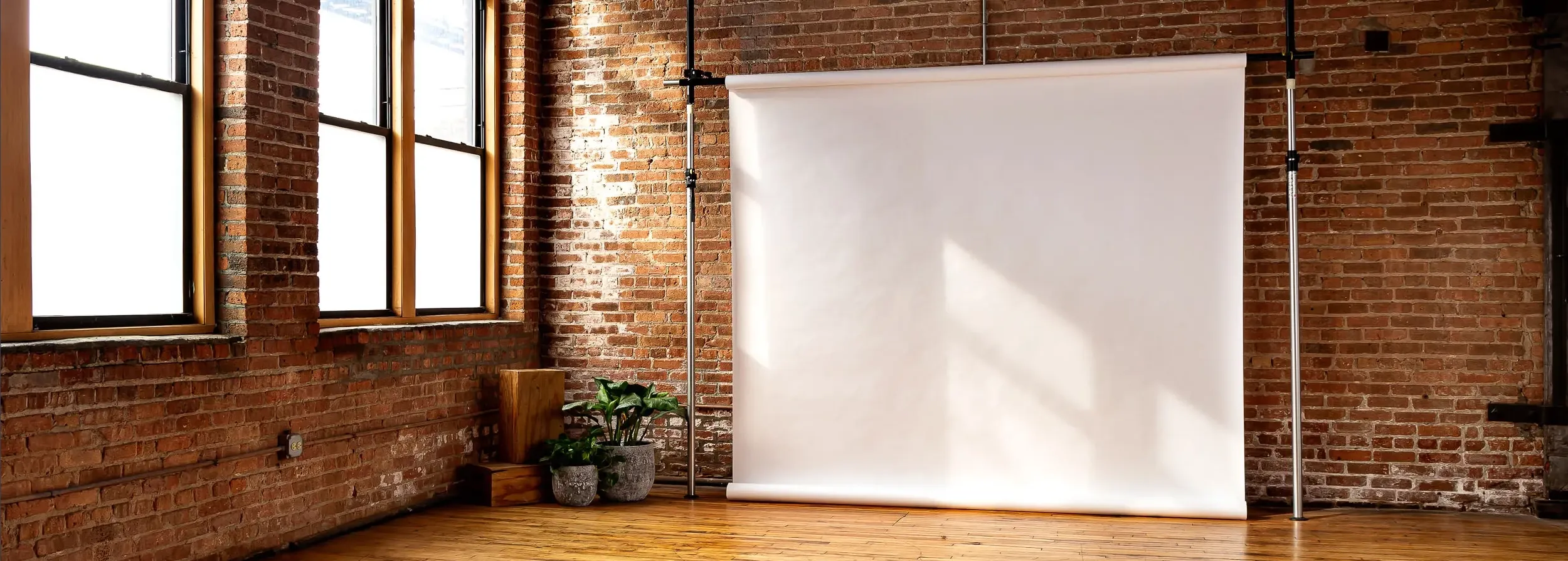
Our West Town studio can accommodate multi-set builds and complex productions, but we need lead time to execute them properly. Last-minute requests for elaborate sets are the fastest path to compromised results.
6. Timeline, Final Files, and Retouching Expectations
The brief should define when you need final files, not just when the shoot is happening. Work backward from your deadline, factoring in post-production time, retouching rounds, and any internal review process on your end. If you’re planning around a specific launch or seasonal date, see our full timeline guide for seasonal campaigns for a week-by-week breakdown.
Retouching expectations deserve their own conversation. Commercial retouching for brand imagery is very different from basic color correction.
If you’re expecting composited backgrounds, removed blemishes, significant product manipulation, or multiple color variations of the same image, that needs to be in the brief. Retouching scope directly affects budget and timeline.
Key questions to answer in this section:
- How many rounds of revisions are included?
- What file formats are required? (JPEG, TIFF, PNG, layered PSD?)
- What are the target dimensions and resolution for each usage type?
- Are color-corrected proofs needed before final delivery?
- Is a rush delivery required, and if so, at what premium?
7. Budget Range
We understand this is the section brands most often omit. There’s a perception that sharing a budget invites a studio to spend it entirely, but in practice, the opposite is true.
A clearly defined budget allows a studio to make smart creative recommendations about where to invest and where to simplify.
Without a budget, a studio is either over-designing for what you can afford or under-delivering relative to what you had in mind. Neither outcome is good. Sharing a range, even a rough one, leads to a more productive conversation and a more realistic scope.
What a Strong Brief Looks Like in Practice
Here’s a simplified example of how these elements come together for a real commercial shoot scenario. This is the kind of brief that allows a studio to walk into a shoot day with complete confidence and walk out with exactly what the brand needed.
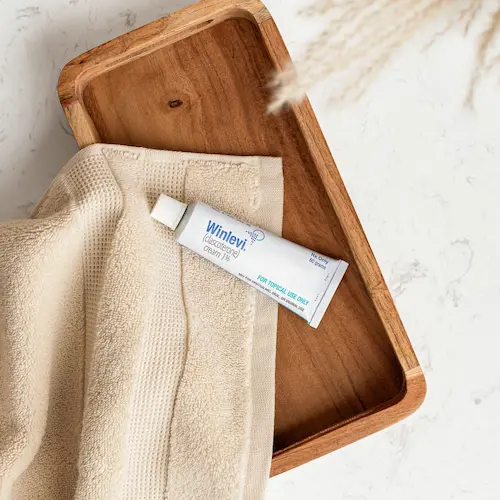
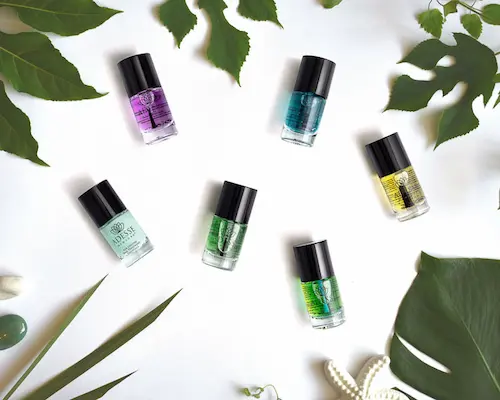
Campaign: New product launch for Crane Home. Usage: Website main images, crane-home.com hero banners, DTC email, and paid social (all digital, no print). Aesthetic: Clean and minimal with warm, natural light. Textural surfaces (linen, marble, raw wood). Confident, not clinical. Avoid anything that reads as medical or pharmaceutical. Products: 30 SKUs. Shot list: 4–5 hero per SKU, 1–2 lifestyle per SKU, 5 group arrangements. Styling: Studio to source surfaces and props within a defined palette.
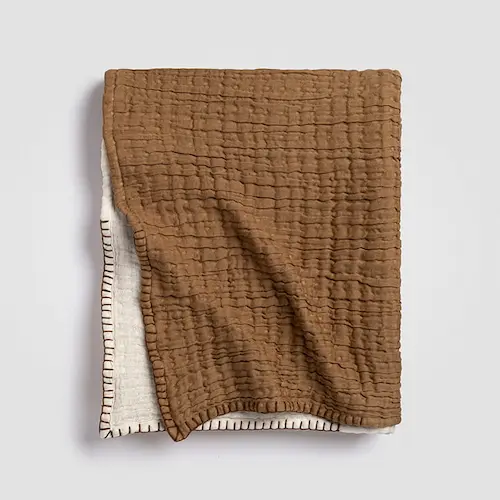
That’s the actual imagery that brief produced.
That brief takes roughly 45 minutes to write. It saves hours of back-and-forth, eliminates the risk of misaligned expectations, and gives the studio exactly what it needs to produce exceptional work.
Download: Our Commercial Photography Brief Template
We’ve built a straightforward brief template based on the 7 elements above. It’s designed for brand managers and marketing teams working with commercial photographers, including us. Fill it out before your next shoot and you’ll notice an immediate difference in how the production runs.
Download the Brief Template (PDF)
If you’d like to talk through your brief before you begin, or if you’re starting from scratch and want to think out loud about the scope of a shoot, we’re always happy to get on a call. That conversation is free, and it usually saves everyone time.
The Bottom Line
A photography brief isn’t administrative overhead. It’s the single most effective way to ensure that the creative work you invest in actually delivers on what your brand needs.
The studios that produce the best commercial work aren’t necessarily the ones with the biggest equipment lists or the most elaborate sets. They’re the ones that ask the right questions early, and the brands that can answer those questions clearly are the ones that walk away with imagery that earns its investment.
Start with the brief. Everything else follows.
If you’re putting a brief together for an upcoming shoot, take a look at our commercial product photography services in Chicago for what we cover and how we work.
Ready to talk through your brief? Let’s connect.