Chicago Product Photography Studio
On-White Product Photography in Chicago
Clean. Consistent. To Spec.
Every Detail, Every Shot
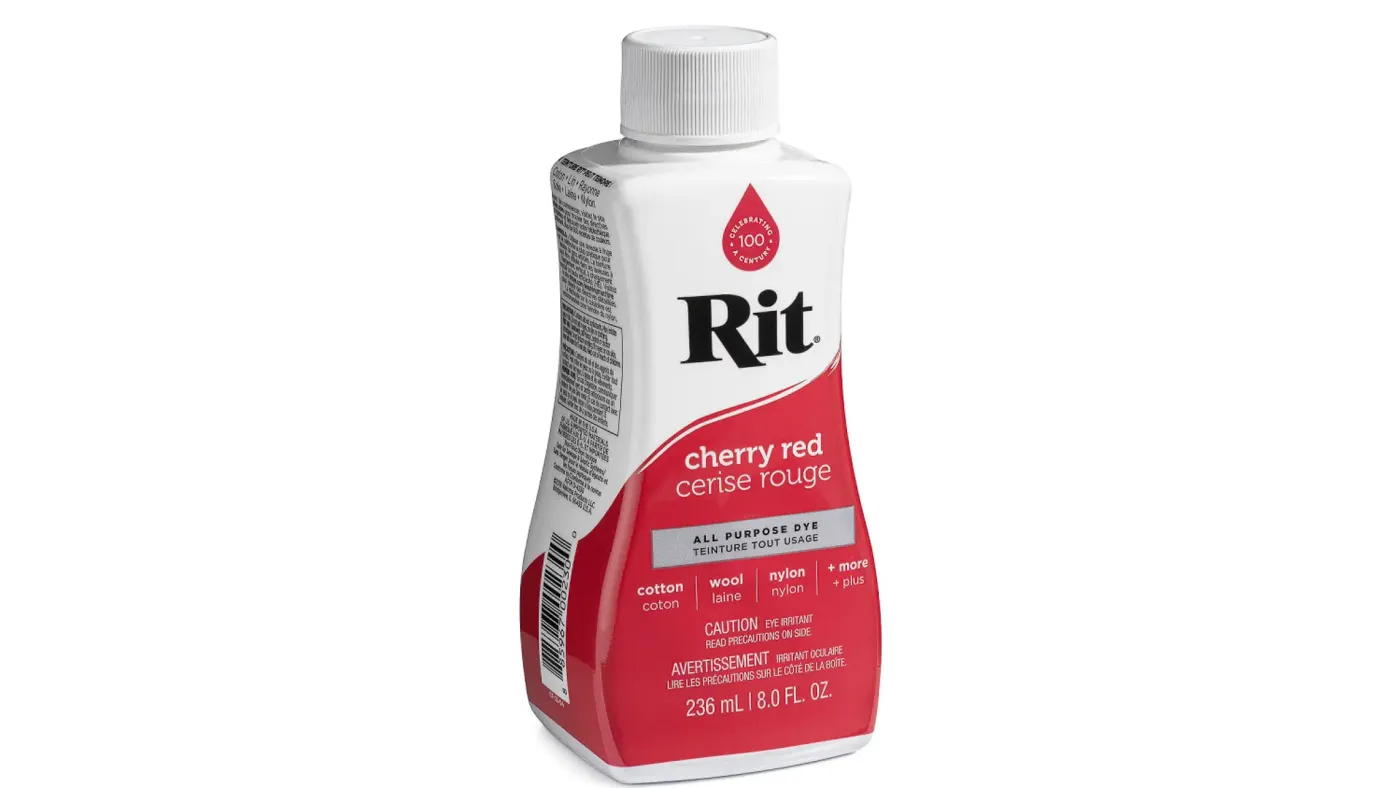
Shooting products on white looks simple from the outside, but getting it right at scale requires precise control over lighting ratios, reflection management, and post-production. The background needs to be a true white (RGB 255, 255, 255) without washing out product edges or losing the shadow detail that gives a product dimension.
We maintain consistent setups across a catalog so every product in a line looks like it belongs together: same apparent size, same lighting character, same shadow treatment. That consistency matters more than any individual shot when you're building a product line that needs to look cohesive.
If you're building or refreshing an Amazon catalog, preparing for a retailer submission, or standardizing imagery across a large product line, this is where most of that work gets done.
Every Product Category
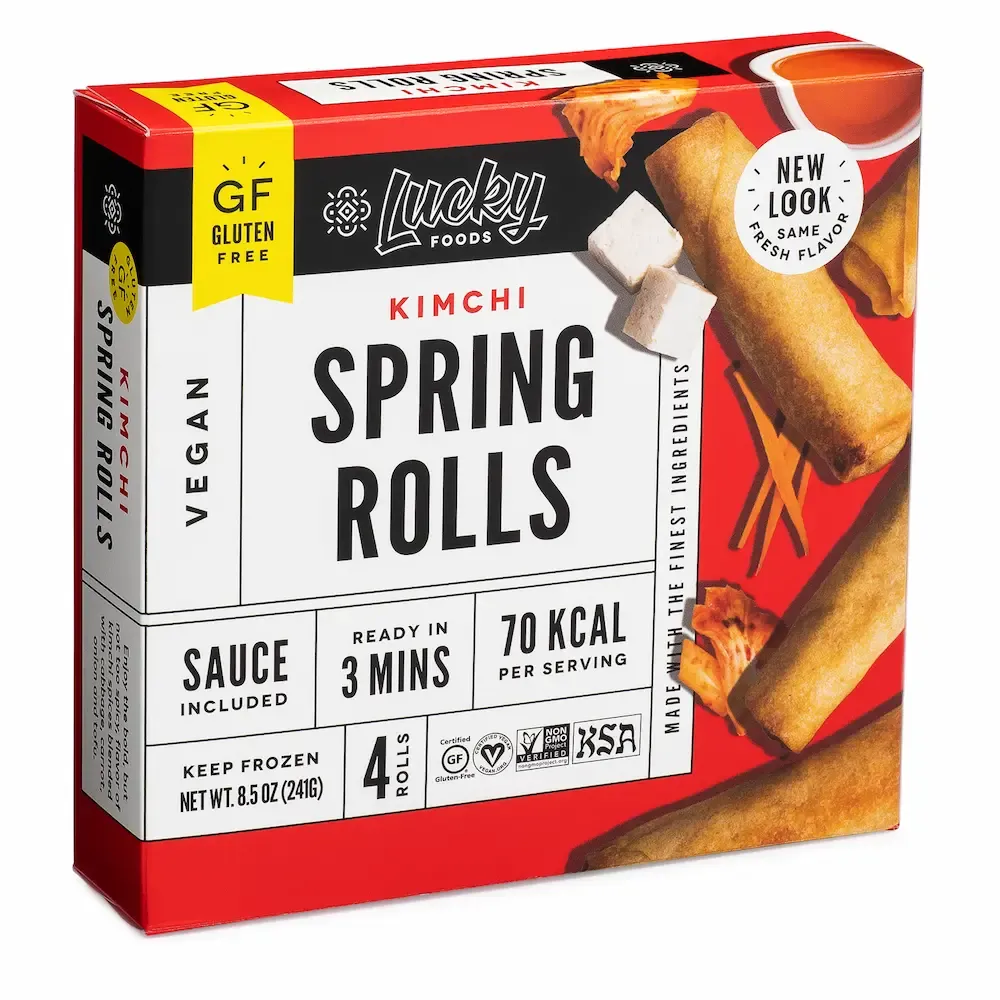
On-white photography works across every product category: beauty and skincare, food and beverage packaging, household goods, apparel and accessories, tech products, and industrial or commercial items. We've shot everything from small cosmetic bottles to large printer hardware on white.
The approach changes based on product type. Reflective surfaces need lighting strategies that avoid hotspots. Softgoods need specific handling to show structure and drape. Transparent or glass products require techniques that reveal the product without losing the background. We adjust for every product category.

Reflective, Glass, and Liquid
Reflective surfaces are the most common problem on white: a bare light source bounces straight off polished metal or glossy plastic and creates a hotspot that reads as a flaw, not a highlight. We control that with diffusion panels, polarizing filters, and careful positioning so the surface reads as reflective without a blown-out glare sitting on top of the product.
Glass and liquid products add a second problem: the background has to stay pure white while still letting the product's transparency read correctly, which means controlling what's visible through the product as carefully as what's visible around it. These shots take more time per product than a standard on-white setup, and we build that into the schedule rather than rushing them to match the pace of simpler items.
What Happens After the Shoot
A true 255/255/255 background almost never comes straight out of the camera; it's the combination of correct in-camera exposure and a consistent retouching pass that pulls the background to pure white without clipping product edges or losing shadow detail. Standard retouching (background cleanup, dust and blemish removal, color correction) is included by default on every on-white shoot.
For large catalogs, that retouching workflow gets documented and applied the same way to every image, so product 40 in the batch gets the identical treatment as product 1. More involved retouching, like removing a logo or compositing multiple exposures for a reflective product, gets scoped separately so it's priced accurately rather than absorbed silently into the base rate.
Straightforward answers to the questions we hear most often about on-white product photography.
What makes a true "on-white" background for product photography?
A true white background in product photography means an RGB value of 255, 255, 255 across the entire background, with no visible shadow or color cast. This is different from shooting on a white sweep and calling it white. It typically requires specific lighting, careful in-camera exposure, and post-production to achieve consistently.
Do you shoot reflective, glass, or transparent products?
Yes. Reflective and transparent products require specific lighting setups to avoid unwanted hotspots while still showing the product accurately. These products take more time per shot, and we plan for that in the schedule. It's worth it to get them right.
How do you keep consistency across a large catalog?
Consistency comes from lighting that stays locked in once it's set, careful product placement relative to the camera, and a post-production workflow that applies the same treatment to every image. For large catalogs, we document the setup so we can match it exactly on future shoots.
Is retouching included, or is it a separate cost?
Standard retouching (background cleanup, dust and blemish removal, color correction) is included in on-white work by default, since a true 255/255/255 background isn't achievable without it. More extensive retouching, like removing a logo, compositing multiple exposures, or heavy product-surface cleanup, gets scoped and quoted as part of the proposal, not sprung on you afterward.
Can you convert a lifestyle shot to a pure white background in post?
Sometimes, but it depends on the original photo. A clean background pull works well when the product edges are sharp and well-lit in the source image. Reflective, fuzzy, or fine-detail edges (fur, mesh, loose fabric) often don't extract cleanly, and the result can look obviously composited. When that's the risk, we'll say so upfront and recommend shooting it properly on-white instead.
How is on-white different from lifestyle photography?
On-white answers "what is this product, exactly?" with maximum clarity and zero distraction. Lifestyle answers "how does this fit into someone's life?" with context and mood. Most catalogs need both: on-white for the main product listing, lifestyle for supporting images and brand storytelling.
More questions about working with us? See the full FAQ →





Get your catalog spec'd and quoted.
Get in touch and Paul will respond directly, usually within one business day.
Start a Project