Chicago Product Photography Studio
Softgoods & Apparel Photography in Chicago
Fabric. Texture. Drape.
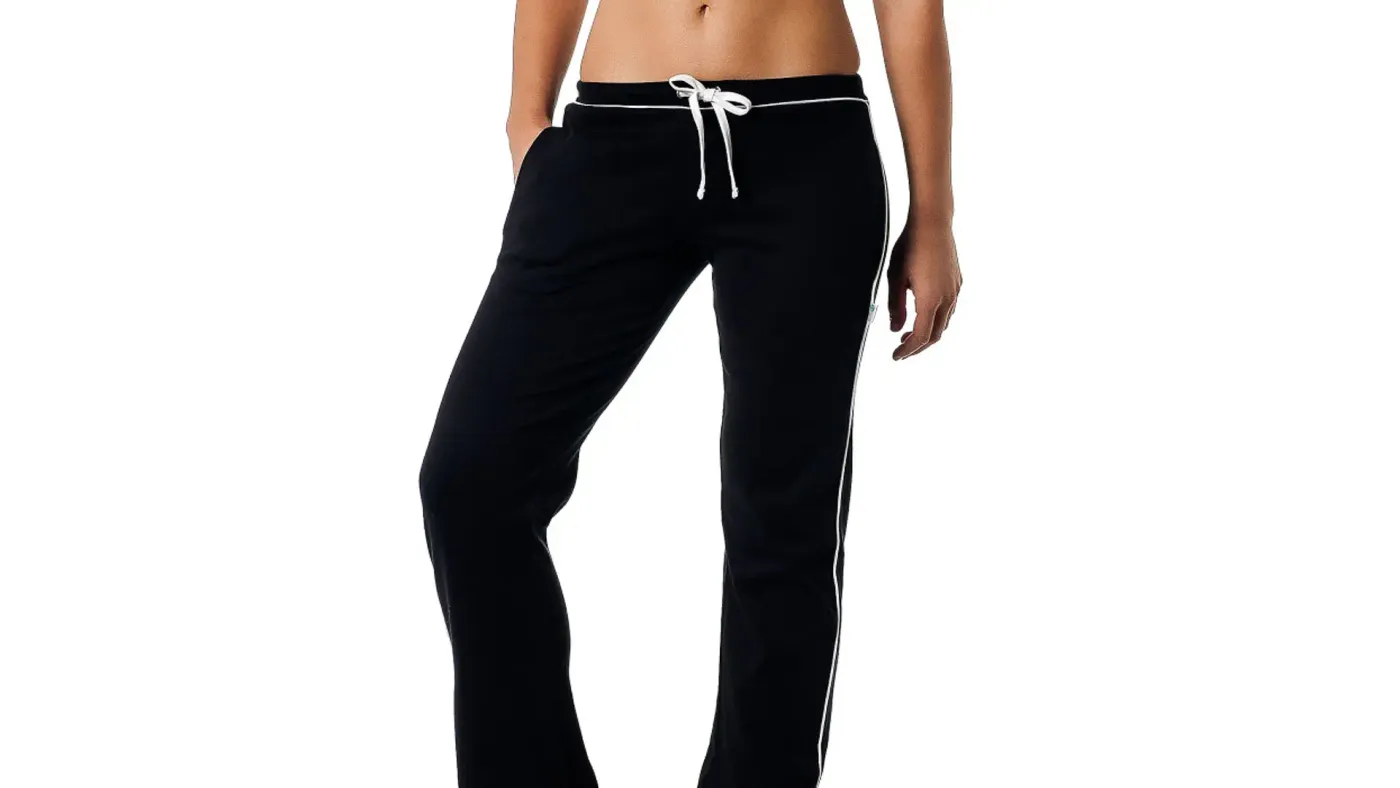
Every Fabric and Flexible Product
Softgoods is a broad category. It covers apparel from t-shirts to structured outerwear, bedding and home textiles like comforters, sheets, and pillowcases, accessories like bags, belts, and wallets, and any product where the way fabric falls or drapes is part of what you're selling.
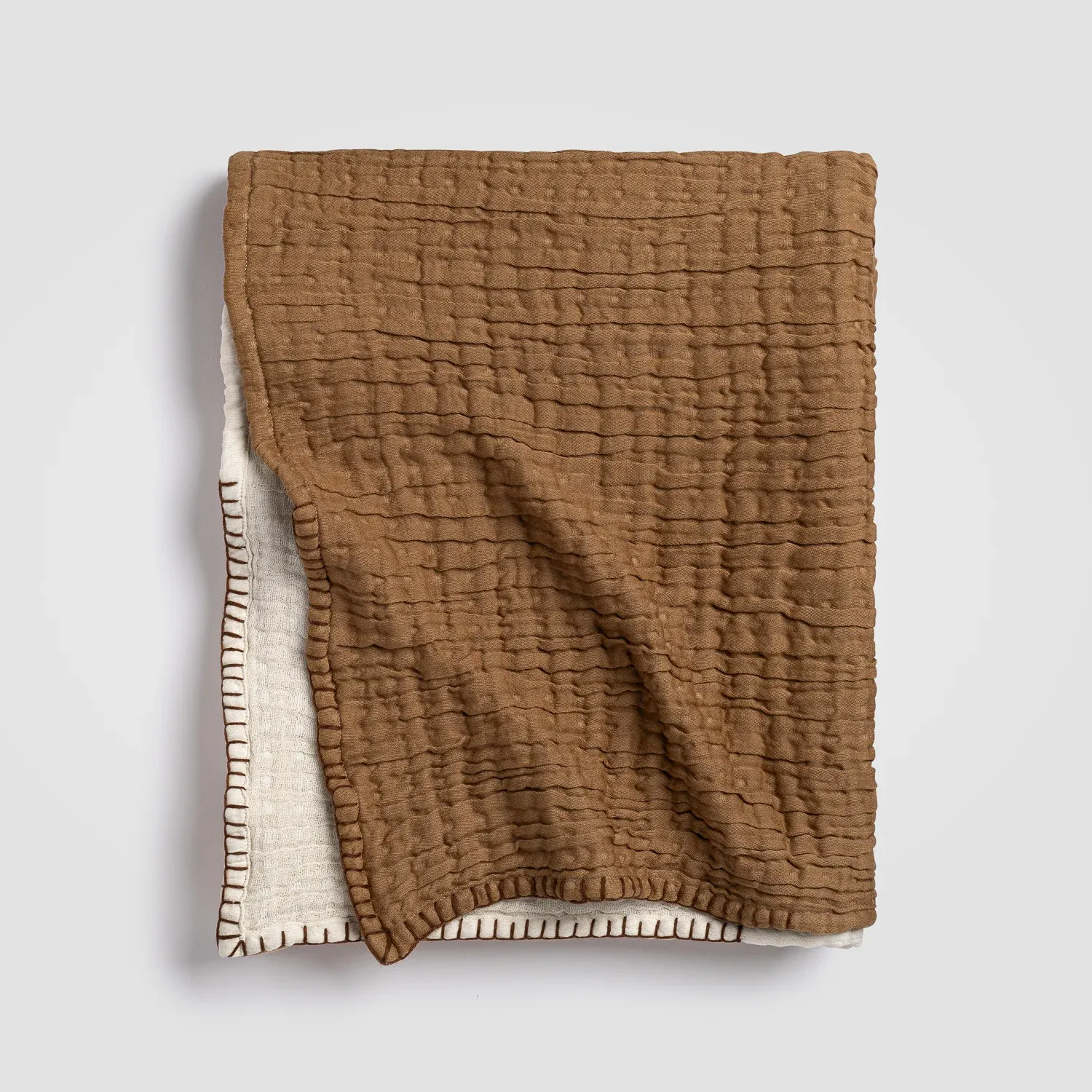
Each product type needs different handling. A structured blazer needs to look structured. A throw blanket needs to show the texture and weight of the fabric. Bedding needs to convey softness without looking shapeless. Getting softgoods right is about understanding what makes each product appealing and finding the light and composition that communicates it.
Showing Garments the Right Way
For apparel, how a garment is presented matters as much as the garment itself. We offer three main approaches: flat lay, ghost mannequin, and on-figure with a live model. Flat lay works for simple items or when you need a large volume of consistent catalog shots. Ghost mannequin gives garments shape and structure without showing a model, which is efficient and works well for most catalog needs.
Live model photography shows a garment in motion, in context, and on a human body, which is essential for anything where fit and movement are part of the appeal. We can source models for your shoot or work with models you provide. We'll recommend the right approach based on the garment type and how the images will be used.
Most catalogs end up using more than one approach across the same product line: ghost mannequin or flat lay for volume, a smaller set of on-figure shots for hero images and fit reference. We'll help you figure out that split before the shoot, not improvise it on the day.
Lifestyle vs. commercial photography: which does your brand need? →
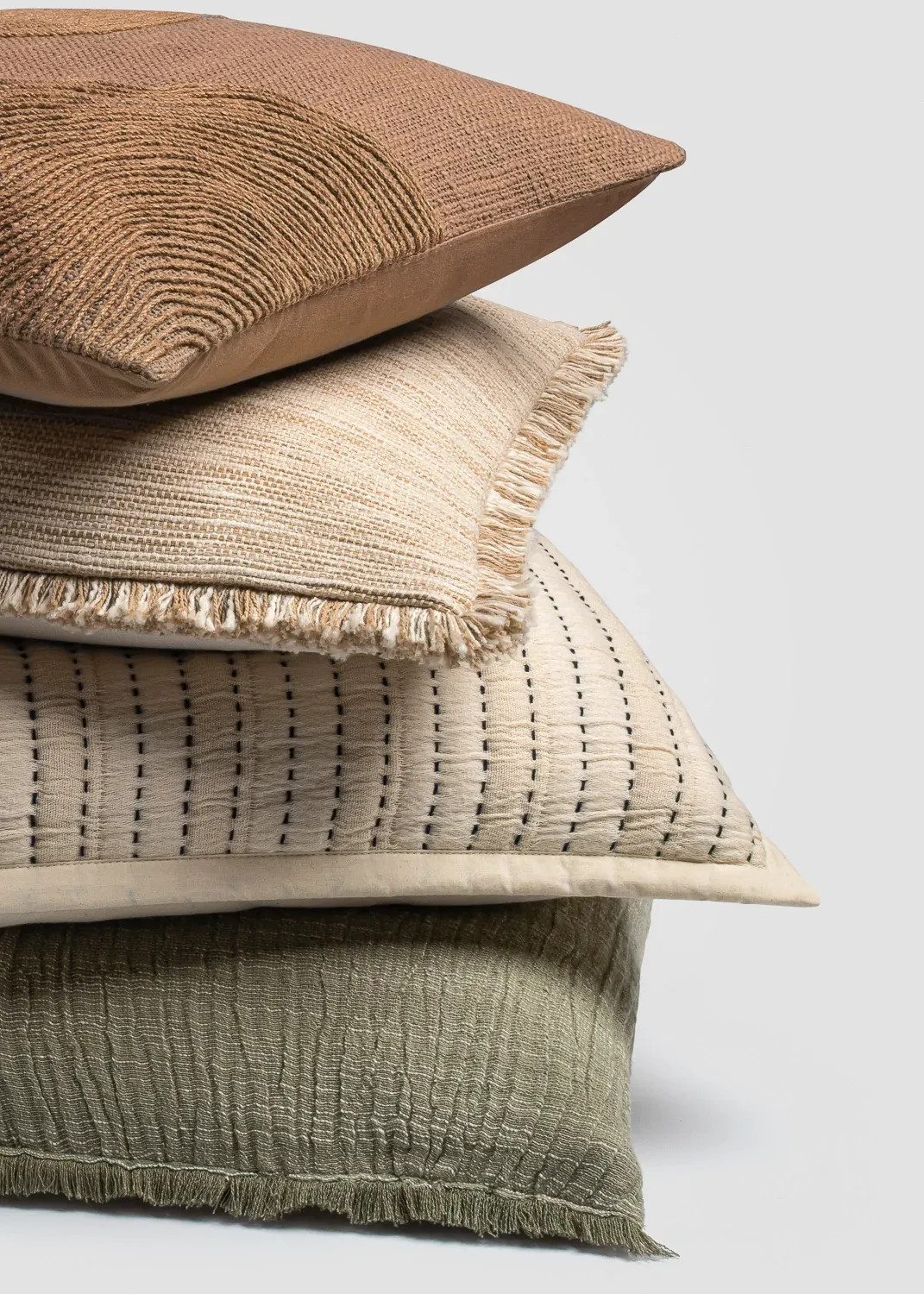
Handling Fabric the Right Way
Every garment gets steamed or pressed before it's in front of the camera. Shipping creases and fold lines that look minor in person read clearly in a photo, and there's no retouching shortcut that looks as good as starting from a properly prepped product. For structured pieces, we pin from behind to hold the intended silhouette on a mannequin or flat surface, so the garment reads the way it's designed to, not the way gravity happens to leave it.
Lighting for fabric is its own discipline. Flat, even light flattens texture and makes every material look the same, which is the opposite of what a textile brand needs. We use directional and raking light to bring out weave, knit structure, and pile depth, so a linen throw actually looks like linen and a quilted jacket shows its stitching. Color accuracy matters more here than in most categories too: dye lots vary, and a customer comparing your product photo to what arrives at their door needs those colors to match.
Every Category Has Its Own Considerations
Apparel. Fit and structure are the priority. We'll help you decide between ghost mannequin, flat lay, and on-figure based on the garment and how the images will be used, and we can mix approaches within the same catalog.
Bedding and home textiles. Comforters, sheets, and pillows need to communicate scale, softness, and weight, which usually means styled layering and folds rather than a flat, single-plane shot.
Bags and accessories. Structure holds the story here: internal support to keep a bag's intended shape, and enough detail work to show hardware, stitching, and interior finishing clearly.
Footwear. Angle and pairing matter most. We shoot single-shoe detail alongside paired, angled hero shots so a catalog page can show both construction and how the pair actually looks together.
Straightforward answers to the questions we hear most often about softgoods and apparel photography.
What types of softgoods do you shoot?
We shoot the full range: apparel, activewear, bedding and home textiles, bags and accessories, shoes, hats, and any other product with a fabric or flexible structure. If the product drapes, folds, or needs specific handling to show its qualities, it falls into softgoods. This service is built for apparel, textile, and accessory brands that need consistent, catalog-ready imagery across a full product line.
Do you offer ghost mannequin photography?
Yes. Ghost mannequin, sometimes called invisible mannequin, is a post-production technique that removes the mannequin from the image while keeping the garment looking filled and structured. It's efficient for catalog apparel photography where you need a clean, consistent look without a model.
Can you source models for on-figure apparel photography?
Yes. We can source models for your shoot through our local network, or you can bring your own. Either way, casting should be confirmed well before the shoot day. We can advise on model selection based on the specific garments and how the images will be used.
What's the difference between flat lay, ghost mannequin, and on-figure photography?
Flat lay shoots the product on a surface, either straight down or at an angle, and works best for accessories, folded apparel, or high-volume catalog runs where speed and consistency matter more than showing fit. Ghost mannequin uses a physical form to give a garment shape and structure, then removes the form in post so the piece appears to hold its shape on its own, no model required. On-figure uses a live model to show how a garment fits, moves, and drapes on a body, which matters most when fit and movement are part of what you're selling. Most apparel brands end up using a mix: ghost mannequin or flat lay for the bulk of the catalog, on-figure for hero and detail shots.
Do you steam or press garments before shooting?
Yes, every garment gets steamed or pressed before it's in front of the camera. Wrinkles, fold lines, and shipping creases photograph worse than they look in person, so prep happens as a standard part of every softgoods shoot, not an add-on. For heavily textured or structured pieces, we'll also pin from behind to hold the intended silhouette.
Can bedding, bags, and apparel be shot in the same session?
Yes, and it's common. Each category needs a different setup (surface styling for bedding, structural support for bags, mannequin or model work for apparel), so we sequence the shoot day around those transitions to keep things efficient. Tell us your full product mix when you reach out and we'll structure the day accordingly.
More questions about working with us? See the full FAQ →
Tell us about your product line.
Get in touch and Paul will respond directly, usually within one business day.
Start a Project