
We talk to brand managers all the time who use the terms “lifestyle” and “commercial” photography interchangeably, and it’s an easy thing to do. Both involve photographing your products. Both show up in your marketing. But the two serve fundamentally different purposes, and conflating them is one of the more common reasons brands end up with imagery that works in one channel and falls flat in another.
This article is about helping you see the difference clearly, not as a technicality, but as a practical tool for making better decisions about your visual content. Once you understand what each type of imagery is actually designed to do, you can stop guessing at what you need and start building a library that works across everything.
Two Categories. Two Very Different Jobs.
The simplest way to think about this: commercial product photography is about the object. Lifestyle photography is about the world the object lives in.
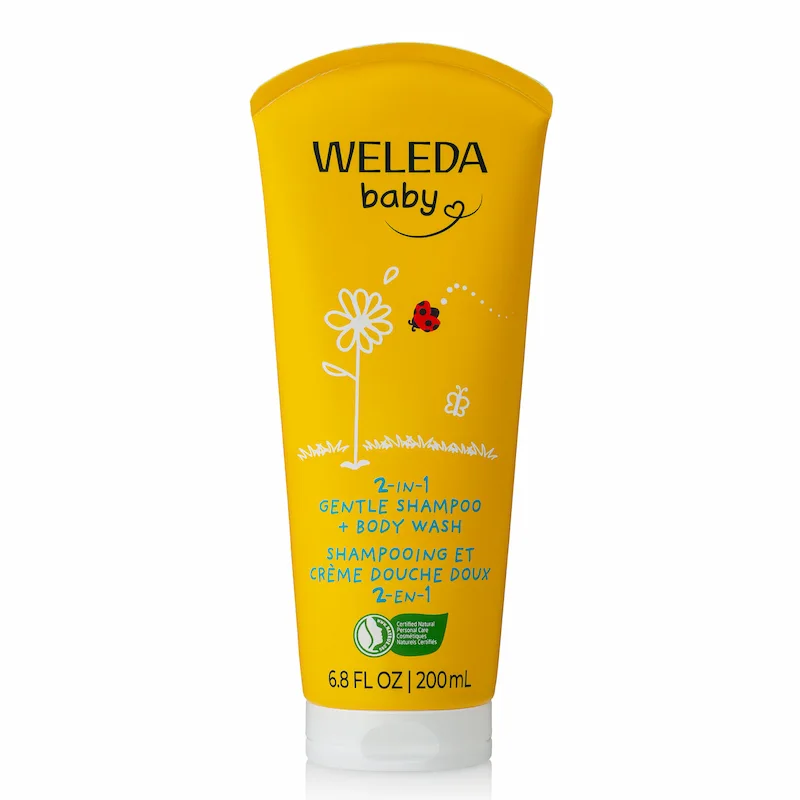
Commercial photography (sometimes called pack shot or catalog photography) puts the product front and center. The goal is precision. Every angle, every surface detail, every shadow is controlled and intentional. The background is neutral or carefully composed. The product is the entire subject. There is no ambiguity about what you are looking at, and that clarity is exactly the point.
Lifestyle photography introduces context. It places the product in a scene (a kitchen, a gym bag, a dining table, a set designed to feel like someone’s living room) and invites the viewer to see themselves using it. The product is still the subject, but it shares the frame with an environment, sometimes with people, and always with a mood. The job of lifestyle imagery isn’t to describe your product; it’s to make someone want it.
A useful way to put it: Commercial product photography answers the question: what is this? Lifestyle photography answers: why do I want this? Both questions matter. They just get answered in different places.
When Brands Need Commercial Product Photography
The clearest use case is anywhere the product needs to do the talking, without distraction, without interpretation, without mood. Here’s where that shows up most often:
- Ecommerce listings. Amazon, Shopify, your own DTC site: any platform where a customer is evaluating your product before buying. The main image on most ecommerce platforms requires a clean shot against a white background. That’s not an aesthetic choice; it’s a technical requirement. Beyond the main image, clean alternates showing different angles, scale references, and packaging details all fall into this category.
- Packaging and print. If your image will live on a box, a label, a catalog, or a billboard, commercial photography gives you the technical precision and resolution to pull it off. These applications have specific demands (color accuracy, resolution, aspect ratio) that require controlled conditions from capture through post-production.
- Hero campaign imagery. Sometimes a clean, isolated product image is the campaign. A strong commercial shot of your flagship SKU, used consistently across email, digital ads, and your homepage, can be more powerful than a lifestyle image because nothing competes with the product itself.
- Internal and sales use. Sales decks, retailer presentations, line sheets, press kits: these all benefit from consistent, clean product photography that presents your line professionally without the visual noise of a lifestyle context.
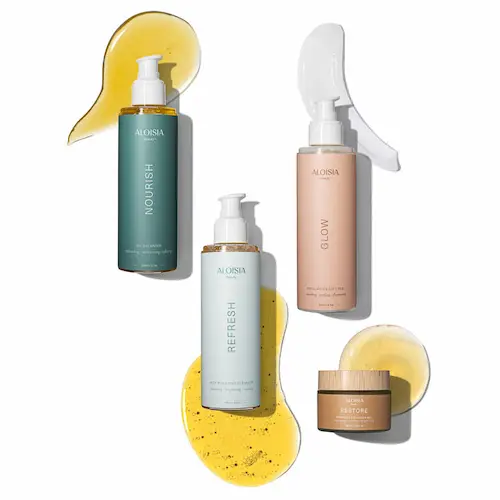
The common thread in all of these: the viewer needs to see the product clearly and accurately. Good commercial photography removes every obstacle between the viewer and the product.
Before any shoot, a clear brief is what aligns the creative work with your business goals. Read more about what a real commercial photography brief looks like and why it changes the outcome.
When Brands Need Lifestyle Photography
If commercial photography is about clarity, lifestyle photography is about desire. It belongs wherever you’re trying to create a feeling rather than communicate a specification.
- Social media and content. Instagram, Pinterest, and similar platforms are built around imagery that stops people mid-scroll. Product photos on a white background rarely do that. Lifestyle imagery (with texture, light, human presence, and genuine atmosphere) earns attention in ways that commercial shots simply aren’t designed to.
- Amazon A+ content and brand stores. Once a customer is on your Amazon listing, the main image has already done its job. If you’re building out ecommerce listings, here’s why professional ecommerce photography is worth the investment. The A+ content section is where lifestyle photography does its best work. This is where you explain not just what the product is, but where it belongs in someone’s life.
- Brand campaigns. When you’re building a campaign around a season, a moment, a story, or a feeling, lifestyle imagery is usually the right tool. It gives you the visual language to tell that story across channels (from hero banner to social to OOH) in a way that feels cohesive rather than just consistent.
- Lookbooks and editorial. If your brand produces a seasonal lookbook, a wholesale catalog with story-driven pages, or any editorial-adjacent content, lifestyle photography is the expected format. Clean product shots in that context feel transactional. Lifestyle imagery feels intentional.

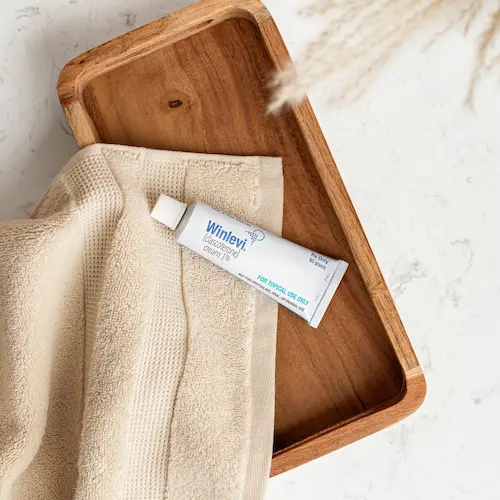
Something worth noting: Lifestyle photography doesn’t always mean models or elaborate set builds. A simple product shot on a textural surface (linen, raw wood, marble) with considered light can read as lifestyle imagery even without a human presence. The distinguishing factor is context, not complexity.
Putting It Side by Side
Because it’s easier to see than to describe:
| Commercial Product Photography | Lifestyle Photography |
|---|---|
| Neutral or white background | Styled environment, scene, or setting |
| Product isolated and precise | Product in context with supporting elements |
| Communicates specs, detail, accuracy | Communicates mood, aspiration, use case |
| Amazon main images, packaging, print | Social, A+ content, campaign, lookbook |
| Technical requirements drive approach | Creative direction drives the approach |
| Retouching is product-focused | Retouching is scene and atmosphere-focused |
| Built for evaluation | Built for desire |
Why the Strongest Brand Libraries Use Both
The question isn’t really which type do I need? Most brands, at any meaningful stage of growth, need both. The more useful question is: what’s the right mix for where I am right now, and how do I plan a shoot that builds toward both?
Here’s what we see work well: brands that think about their imagery in layers. The foundation is always clean commercial photography (your product documented clearly at the resolution and consistency required for listings, packaging, and professional sales use). That layer doesn’t change much. It gets refreshed when SKUs change, packaging updates, or the product line expands.
The lifestyle layer sits on top of that foundation and connects your product to a moment, a person, a feeling. It evolves more frequently because it responds to seasons, campaigns, and where the brand is in its story. A spring campaign calls for different lifestyle imagery than a holiday push. A product launching into a new retail channel might need lifestyle shots calibrated for that retailer’s aesthetic.
When we plan shoots with brands that need both, the most efficient approach is usually to capture them in a single production. The commercial work tends to happen first (it’s precise and systematic, and a well-run commercial shoot builds momentum). The lifestyle work follows, using the same products in a more open creative environment. Done well, a single shoot day can yield both a complete ecommerce image library and a campaign’s worth of lifestyle content.
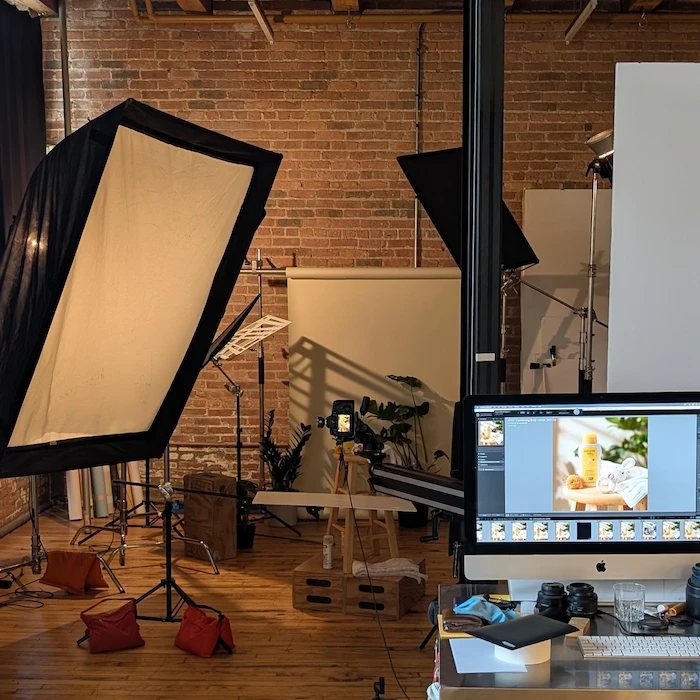
A note on planning: Combining commercial and lifestyle work in a single production requires more pre-production, not less. Set design, prop sourcing, styling direction, and shot lists need to be built out for both contexts before shoot day. The savings come in studio time and product shipping, not in planning. Budget the pre-production accordingly and the combined shoot almost always delivers better value than two separate ones.
Practical Questions to Ask Before a Shoot
If you’re not sure which type of imagery to prioritize, these questions usually help clarify it:
- Where will these images actually live? If the primary destination is an ecommerce listing or a retailer presentation, start with commercial. If it’s Instagram or a campaign landing page, start with lifestyle.
- Who is the audience, and what do you want them to do? If you want them to understand your product, commercial photography is working harder. If you want them to feel something about your brand, lifestyle photography is the tool.
- What does your brand library look like right now? If you have strong lifestyle imagery but your product detail shots are inconsistent or low quality, fix the foundation first. If your listings and catalogs are covered but your social content is weak, invest in lifestyle.
- What’s the campaign horizon? For time-sensitive work tied to a launch or a season, lifestyle imagery often has a shorter shelf life. Commercial imagery tends to last longer. A strong on-white hero shot can anchor your listing for years. Plan the investment accordingly.
- What’s the budget? Use our product photography cost calculator to get a working estimate before you reach out, or read the full Chicago product photography pricing guide for a detailed breakdown.

The Bottom Line
Commercial product photography and lifestyle photography aren’t competing approaches. They’re complementary ones. Understanding which job each type of imagery is built to do, and making deliberate decisions about when you need each, is what separates brands that have strong visual content from brands that have a lot of photos.
The goal isn’t a larger image library. It’s a more intentional one.
If you’d like to talk through what your brand actually needs (whether that’s building out a clean ecommerce foundation, planning a lifestyle campaign, or figuring out how to do both in a single shoot) we’re happy to have that conversation. It usually takes less than 30 minutes and tends to sharpen the thinking on both sides.
Ready to plan your next shoot? Let’s connect.