You’ve built the shot list, sent over reference images, and signed off on a shoot brief. Now shoot day is a week out, and you’re wondering what the day itself actually looks like. That’s a fair question, since most photography content stops at “before” and never covers what happens once you walk in.
We’ve run enough shoot days at Zimmerman Photo to know the honest answer isn’t a single fixed schedule. It depends on how many products you’re shooting, how complex the sets are, and how much work already happened in pre-production. Here’s what a shoot day actually looks like, start to finish.
Key Takeaways
- Setup time depends on scope: simple shoots set up same-day, larger productions get their own pre-production day first.
- On-white and ecommerce days produce 20 to 50 final images; styled shoots with props and lighting changes produce 5 to 15.
- You can be on set the whole day, part of it, or review remotely as we shoot. It’s your call.
- Retouched, final files typically arrive in 5 to 10 business days, depending on volume.
Before Shoot Day: What Happens First
Shoot day doesn’t start from zero. If you want the full walkthrough of preparing for a shoot, we’ve covered it in our guide to building a commercial photography brief. That’s where the shot list, usage, and styling direction all get locked down, usually weeks before anyone sets foot in the studio.
What that brief doesn’t cover is what happens after we’ve locked in the details of the shoot and before we start shooting. For a simple, single-set shoot, not much needs to happen in advance. We review the shot list again and start setup the morning you arrive.
For larger or more involved shoots, we build in a separate pre-production day first. On that day, we set the lighting, build the sets, and run a full dry run. Every setup gets tested before shoot-day time is spent on it. Shoot day itself starts already dialed in, not with us figuring it out on set and wasting time and money.
That’s the biggest difference most brands don’t expect. The shoot day you experience isn’t necessarily the day all the setup work happens.
Arrival and Setup
How long setup takes isn’t fixed. It depends on how many sets and products are involved, not a clock that’s the same for every shoot.
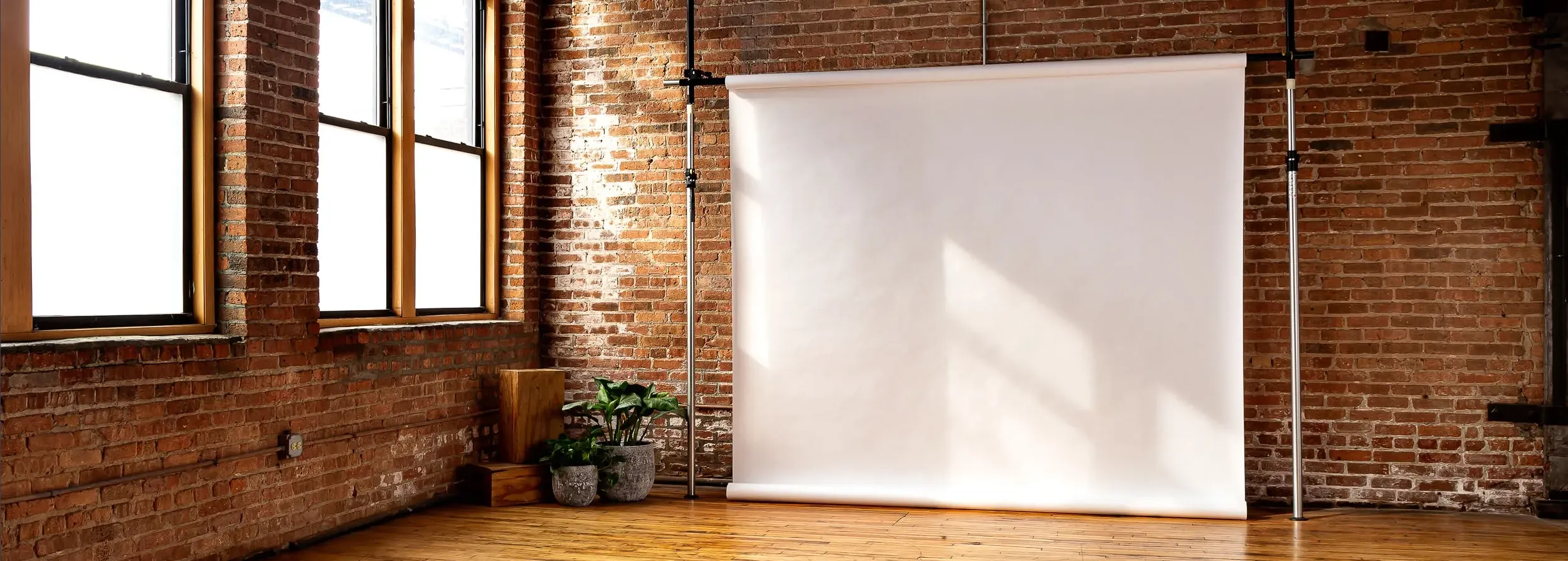
For a single-set, ecommerce-style shoot, setup happens the same day you arrive. We set up a sweep (a seamless background) or a set, dial in the lighting, and start shooting once everything reads correctly through the camera.
For a shoot with multiple sets, props, or a more complex lighting plan, most of that work already happened during pre-production. Shoot day starts much closer to actual shooting, since we’re moving through sets we’ve already built and tested, not building them cold.
We won’t hand you a fixed clock here, like “9am setup, 10am first shot.” That kind of precision sounds reassuring, but it isn’t honest across every shoot size we run. The real answer depends on scope, and we tell you what to expect for your specific shoot before the day arrives.
How the Day Actually Moves
Once shooting starts, the pace comes down to one thing: shot type. The gap between a fast day and a slow one is bigger than most people expect.
On-White and Ecommerce Days
On a clean on-white or ecommerce shoot, we typically capture 20 to 50 final images in a day. Once lighting is set for one product, most of that setup carries over to the next. Same background, same light, same angle logic, just a new product in frame. That repeatability is what lets the count run high.
Set-Built and Lifestyle Days
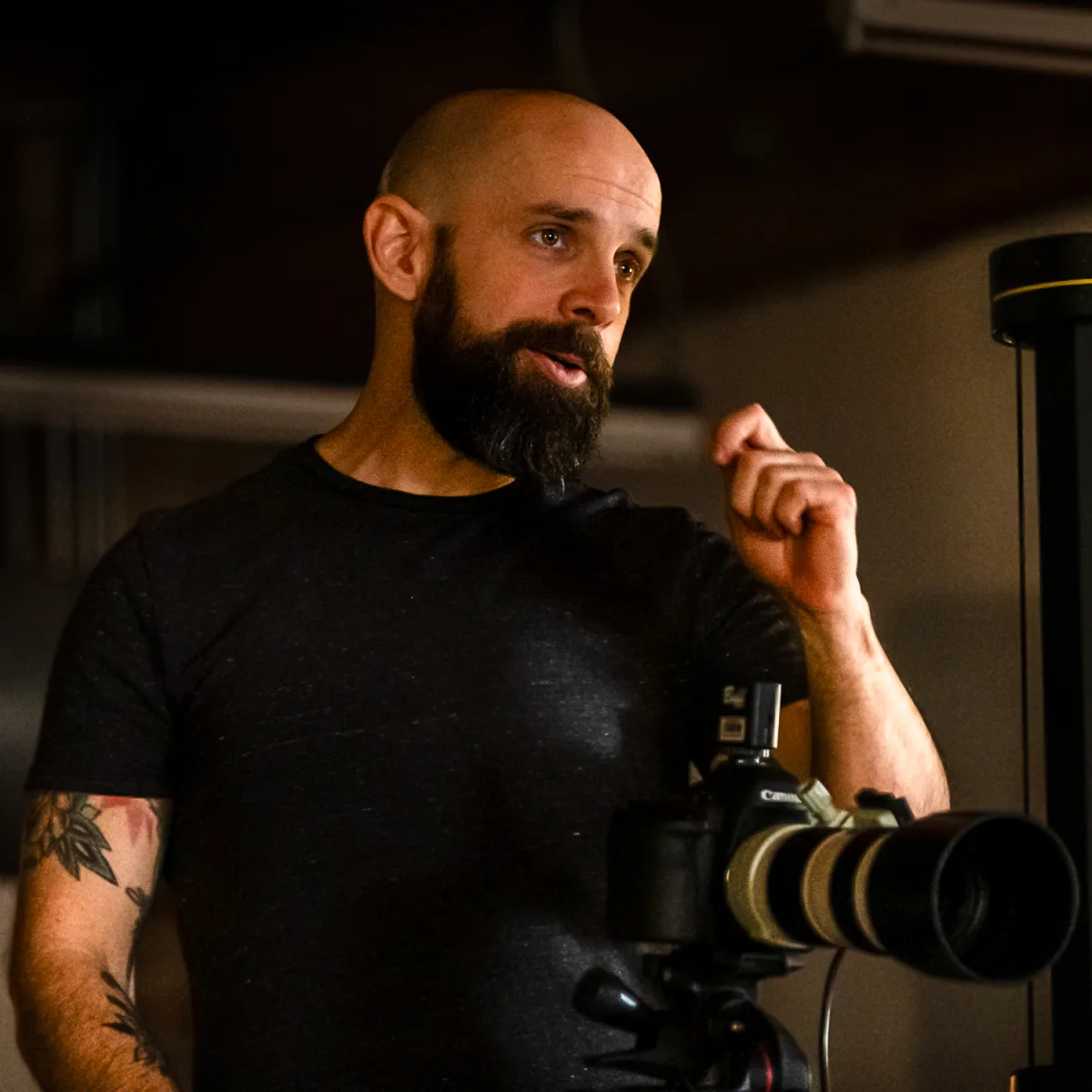
More involved and highly styled shoots move differently. When a shot calls for a new set, new props, or different lighting, we typically capture 5 to 15 final images in a day. Each change resets a chunk of the technical work: new composition, new light, sometimes an entirely different mood.
Not sure which category your shoot falls into? Our comparison of lifestyle and commercial product photography explains how the two styles differ and what drives the choice.
Neither pace is “better.” One produces volume for a catalog. The other produces a smaller number of images built to carry a brand and tell a story.
Your Role on Set
Come for as much of it as you want, or none of it. There’s no fixed policy here, and no expectation either way.
Some clients want to be on set the entire day, watching every setup and weighing in on angle and framing in real time. Others show up for an hour, look at the first few frames, and leave the rest to us. Some don’t come at all and review everything remotely. We have a special setup for remote review and feedback, one you won’t find at every studio.
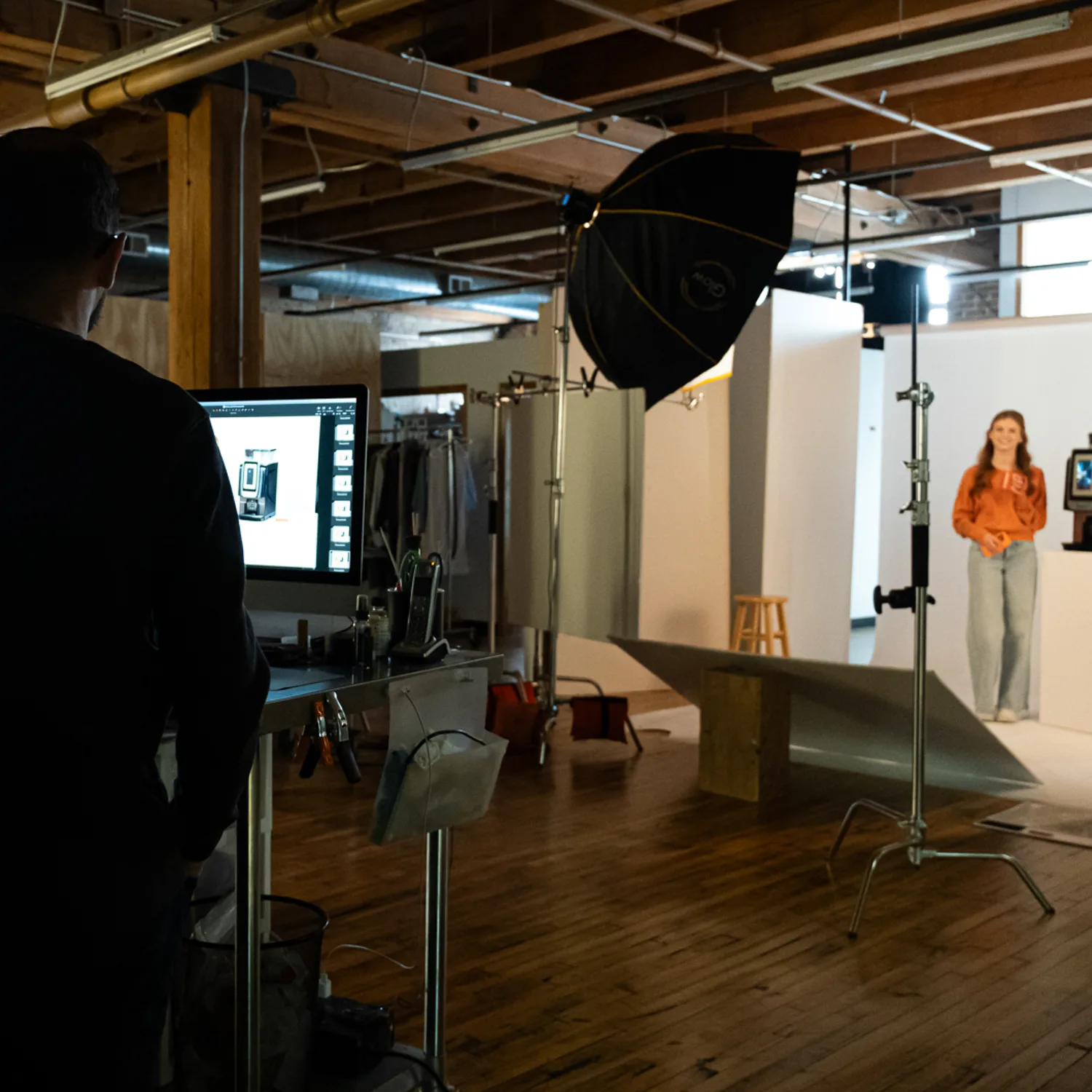
All three are fine. When you’re on set, review checkpoints happen naturally. We’ll pull up a shot on the monitor before moving to the next setup, and you can flag anything first.
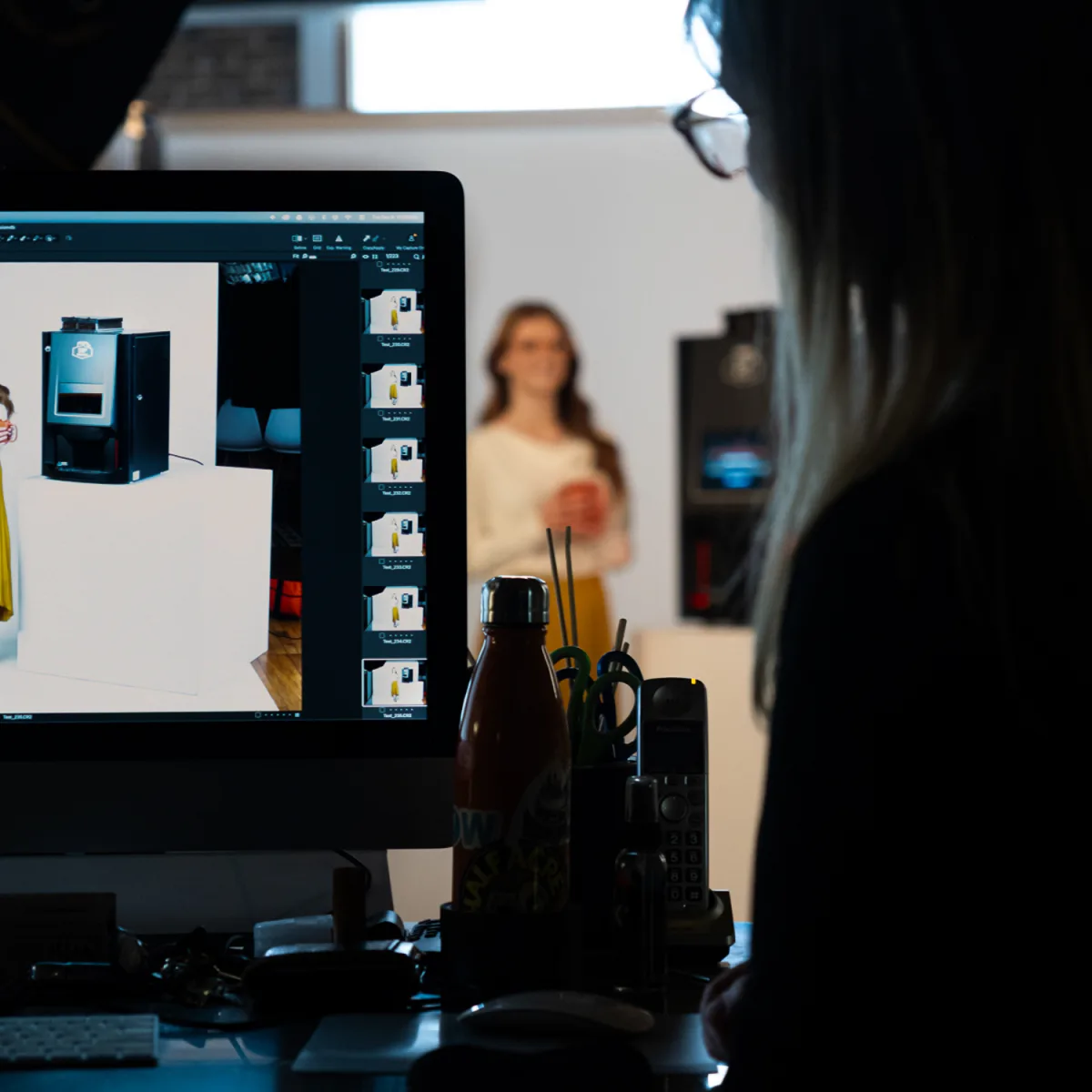
When you’re reviewing remotely, we share images through our remote live viewer software as they’re shot. You can mark up images, make notes, and give feedback in real time, from the comfort of your home or office. You’re never waiting until the end to see what’s coming together.
When Something Doesn’t Go to Plan
No shoot runs exactly as planned every single time, and we’d rather tell you that upfront than pretend otherwise.
Products sometimes arrive damaged, or don’t arrive at all. A piece of equipment breaks or stops working. A shot on the list turns out to need a different approach once we see the actual product in person. None of that means a shoot has gone wrong. It just means we have to think on our toes and find a new opportunity.
When something comes up, we don’t quietly push through the original plan and hope it works out. We flag the problem, explain the options, and make the call with you, on set or by quick message.
Some problems never need your decision at all. Here’s a real one.
Several years ago, we were shooting a simple on-white lookbook for a clothing designer launching a new line. Our team had everything dialed in, and we were humming along capturing some great images. Then the camera stopped working and failed completely.
Like on all our shoots, we had backups in place for every piece of equipment. We grabbed our backup camera body and kept shooting. We didn’t waste time trying to figure out what broke, or worry about replacing it. We moved on, and we reassured the client that nothing would change. The backup camera was just as good as the original.
Things will always go wrong on set. It’s the nature of shooting in the real world. The real task is working through those hiccups quickly and thinking on your feet. That keeps you comfortable and reassured, and it keeps the energy on set flowing.
That’s the kind of problem-solving most shoot-day content skips entirely. Anyone can describe a shoot that goes exactly as planned. What matters more is how a studio handles the one that doesn’t.
Wrap and Handoff
At the end of the day, you’re not walking away with finished files yet, but you’re not walking away empty-handed either.
Once shooting wraps, we do a final pass through the shot list to confirm everything on it actually got captured. If you were on set, we’ll often show you unretouched frames, so you have a sense of what came out of the day. Many art directors and creative leads also go through the day’s shots and mark their selects. Those are the images they feel are the winners from each session.
What you don’t get same-day is the finished, retouched images. Those need to go through post-production first, and rushing that step is how quality slips. Wrap marks the handoff from shooting to editing, which is where the next phase picks up.
After the Shoot: Retouching and Delivery
Turnaround on final files is 5 to 10 business days, depending on volume. We don’t quote one fixed number for every shoot. A 20-image ecommerce order and a multi-set campaign don’t move through retouching at the same speed.
That range tracks directly back to the image counts from earlier in the day. A high-volume, on-white shoot produces more raw images to work through, even though each one takes less retouching time individually. A lower-volume, set-built shoot produces fewer images, but each one may need more retouching attention.
If you’re planning a shoot around a launch date or a seasonal deadline, timing matters more than usual. Our guide to planning a seasonal product campaign timeline walks through the full booking-to-delivery window. Use it to work backward from the date you need images live. This is an important step most teams overlook, and it can end up costing more money and time when it isn’t planned correctly.
Frequently Asked Questions
How long does a product photography shoot day take?
It depends on scope. A simple, single-set shoot moves faster than a multi-set production, and larger shoots often have a pre-production day built in beforehand. See the setup and pacing sections above for what actually drives the difference.
Do I need to be there the whole day?
No. You can be present for the whole shoot, part of it, or review everything remotely. It’s entirely your choice, not a fixed studio policy.
What if my products arrive damaged or aren’t ready?
We handle it on set rather than pretending it didn’t happen. For how to prepare products before they ship, see our commercial photography brief guide. For how we handle problems that come up anyway, see the “When Something Doesn’t Go to Plan” section above.
How soon will I see the final images?
Retouched, final files typically take 5 to 10 business days, depending on volume. If you’re working around a seasonal deadline, our seasonal campaign timeline guide can help you plan backward from your launch date.
The Bottom Line
Shoot days vary, and that’s the honest answer, not a dodge. What stays consistent is the structure behind that variability. Bigger shoots get pre-production. The pace matches the shot type. You decide how involved to be. And when something goes wrong, we handle it without missing a beat.
That structure is what keeps a shoot day feeling organized instead of chaotic, no matter how many products or sets are on the list.
If you’re planning an upcoming shoot and want to know what your specific day will look like, let’s talk it through. We’ll walk you through the best way to schedule it and take out all the guesswork.